1. Humanitarian Support
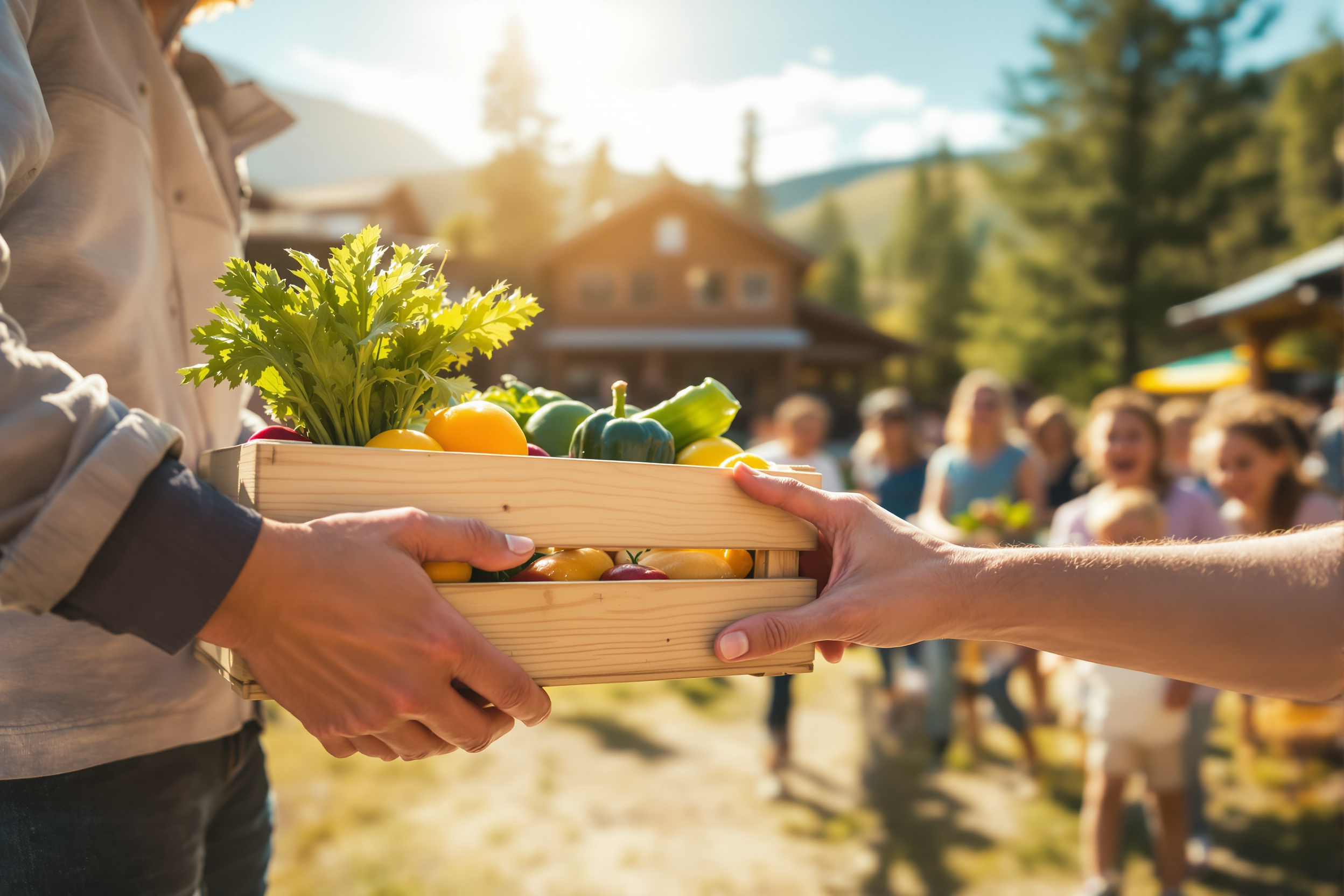
Humanitarian work meets the most fundamental needs — food, shelter, safety, and dignity. In a mountain community this looks like food pantries and grocery-recovery programs, alliances that support survivors of domestic abuse, restorative-justice initiatives, and farm-to-table efforts that improve food access. These frontline organizations are usually the first place a community's generosity should go, because they catch people at their most vulnerable. Learn more on our humanitarian aid page, and see how national groups such as Feeding America structure hunger relief.
2. Individuals in Need
Sometimes the need isn't an organization — it's a person or a family knocked sideways by circumstance: a medical emergency, a job loss, a fire, a car that dies the week rent is due. Help for individuals in need is fast, confidential, and specific. It bridges the gap until someone is back on their feet, and it's often the difference between a temporary setback and a lasting crisis.
3. Community Support
The third pillar strengthens the shared fabric of a place: youth clubs and after-school programs, school enrichment and mountain-sports teams, community arts and cultural events, and the seasonal traditions — egg hunts, holiday dinners, festivals — that give a town its character. This is community support, and while it may feel less urgent than food or shelter, it is what makes a community somewhere people want to stay and raise a family.
How the Pillars Work Together
Strong communities invest across all three. Humanitarian aid keeps people safe today; individual assistance prevents small emergencies from becoming permanent; community support builds the connections and opportunities that reduce future need. A thoughtful giving plan — see our charitable giving guide — usually touches more than one pillar. If you're looking for help rather than looking to give, start with Get Help. Survivors of abuse can reach the confidential National Domestic Violence Hotline any time.