Food Security
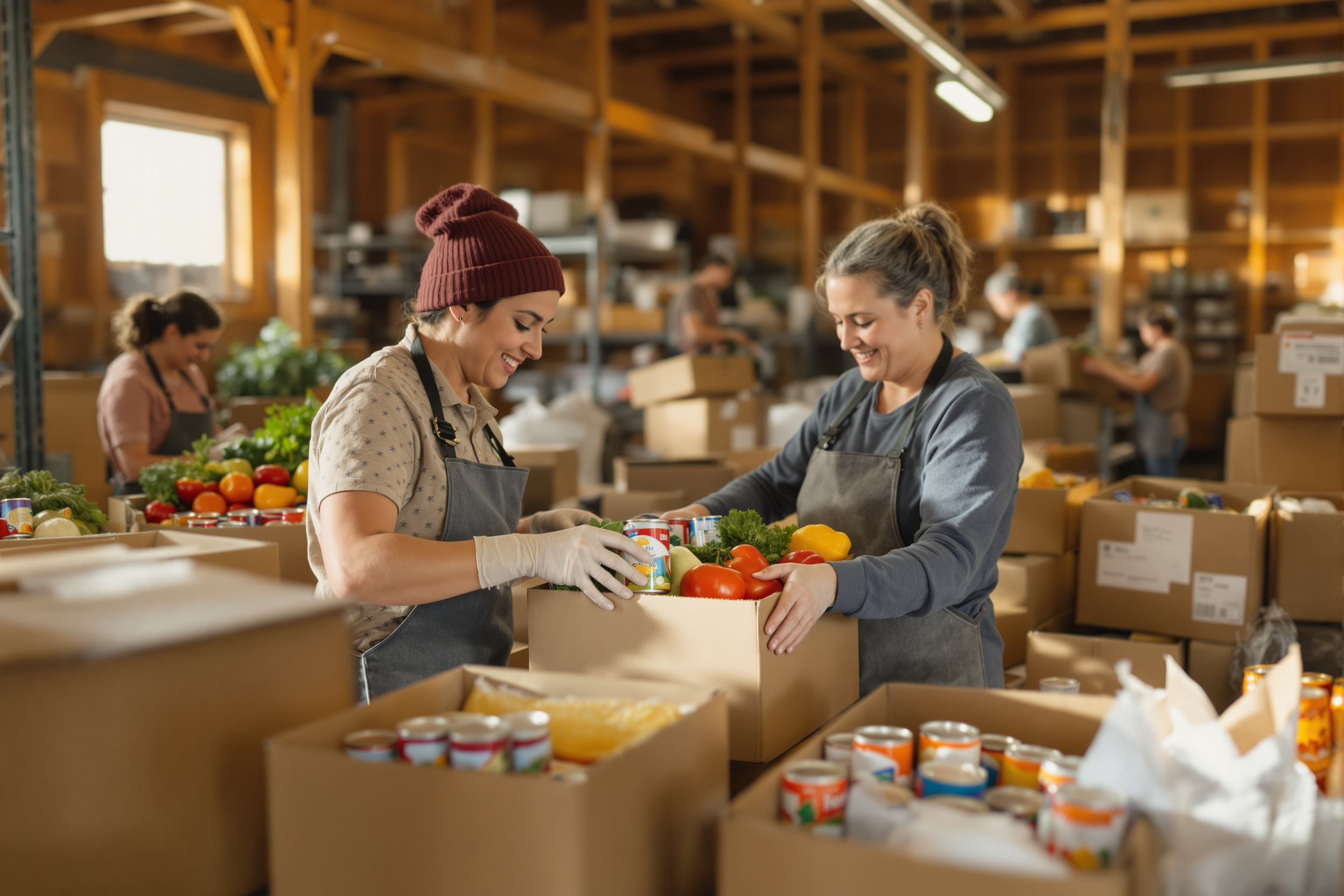
Hunger is quieter in a small town than in a city, but no less real. Food pantries, community grocery-recovery programs, and farm-to-table food-access projects keep shelves stocked for families, seniors on fixed incomes, and seasonal workers between paychecks. Demand often spikes in the off-season, when tourism jobs dry up and daylight is short. Organizations modeled on Feeding America's network stretch every donated dollar by recovering food that would otherwise be wasted and distributing it locally.
Safety and Support from Abuse
Alliances against domestic abuse provide confidential shelter, advocacy, and a path to safety — services that are life-saving and, in isolated communities, hard to reach without local investment. Support for these programs is one of the highest-impact places generosity can go. Anyone in danger can contact the free, confidential National Domestic Violence Hotline 24 hours a day.
Restorative Justice and Second Chances
Restorative-justice programs bring together those harmed and those responsible to repair damage and prevent repeat harm — an approach that keeps small conflicts from escalating and helps people stay part of the community rather than cycling out of it. In tight-knit towns, repairing relationships is often more durable than punishment alone.
Basic-Needs and Transitional Support
Transitional-housing and basic-needs organizations help people move from crisis to stability: a warm place to sleep, help with utilities, clothing, and the practical steps back toward independence. These groups frequently coordinate, referring clients to one another so no single need slips through the cracks.
How to Help the Humanitarian Front Line
Humanitarian organizations run lean and predictable, which makes them ideal for recurring gifts and reliable volunteer shifts. Before you give, it's worth checking an organization's transparency and results — our charitable giving guide explains how, and tools like Charity Navigator rate larger nonprofits. If you'd rather give time than money, see volunteering. And if you're the one who needs help, there's no shame in asking — start at Get Help.