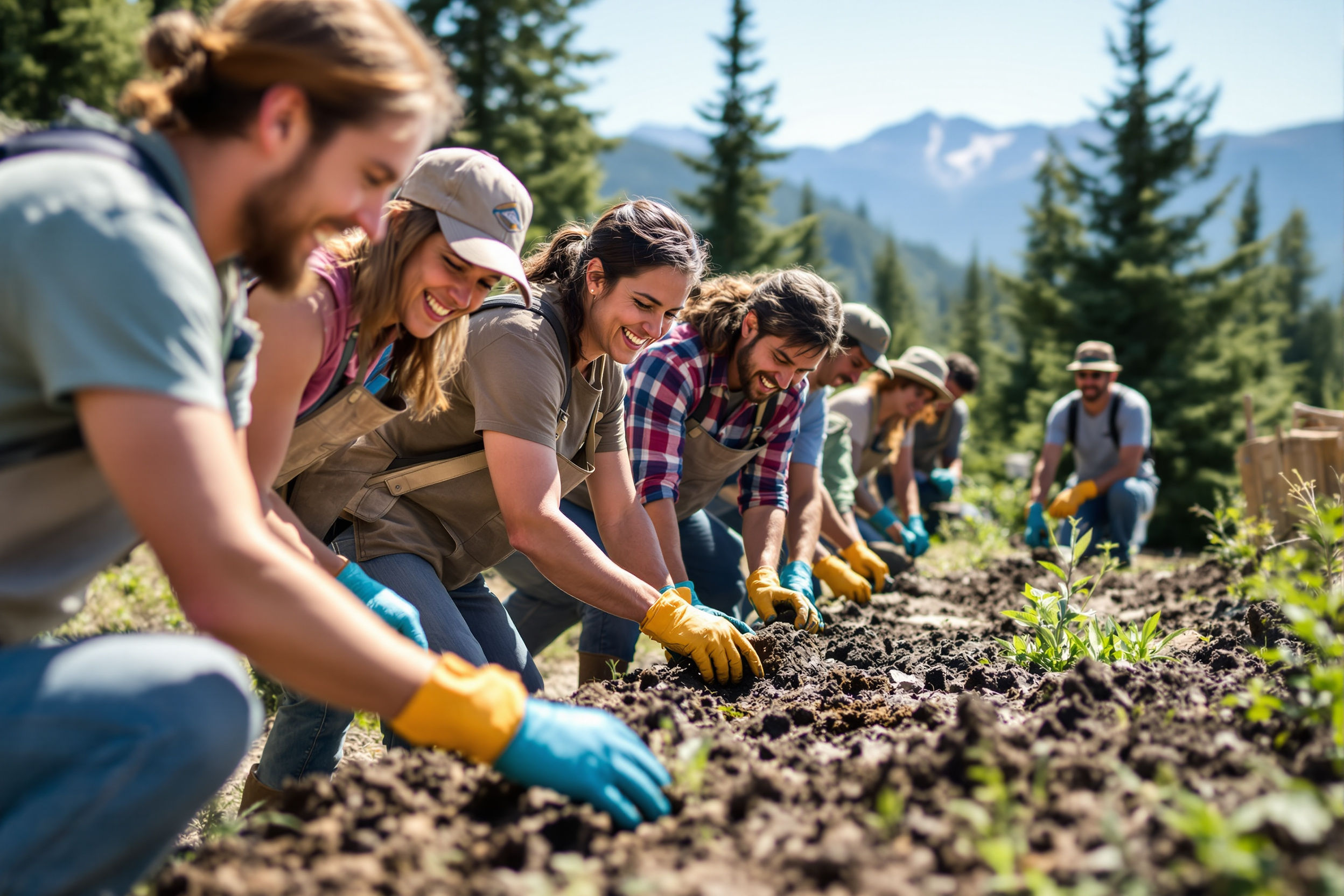
Find the Right Opportunity
You don't have to know anyone to get started. National platforms make it easy to find local roles that fit your interests and schedule:
- VolunteerMatch — search thousands of opportunities by cause and location.
- AmeriCorps — for those who want to serve full-time or in a structured program.
- Your local library, school, food pantry, or faith community — often the fastest way into hands-on work.
Match Your Skills to the Need
Volunteering isn't only sorting cans. Communities need skilled help, too: an accountant to keep a nonprofit's books, a carpenter to fix a shelter's roof, a photographer to document an event, a lawyer to review a lease, a teenager who's great with social media. Offering what you're already good at is often the highest-value hour you can give.
Roles for Every Season and Schedule
Mountain communities have a rhythm, and volunteering can flex with it. Big one-day events need lots of hands for a single afternoon. Ongoing programs — mentoring, tutoring, meal delivery — reward steady weekly commitment. Board and committee service shapes an organization's direction over the long term. Whatever your bandwidth, there's a fit.
Make Your Hours Count
A few habits make you the volunteer every organization hopes for: show up when you say you will, ask what's actually needed rather than assuming, respect the confidentiality of the people you serve, and communicate early if plans change. Reliability is its own form of generosity.
What You Get Back
Volunteering is rarely a one-way transaction. People who give their time regularly report stronger social connections, a sharper sense of purpose, and even better health. You'll learn new skills, meet neighbors you'd never otherwise cross paths with, and see your community from the inside out. The good you do comes back around — which is exactly why volunteers so often say they get more than they give.
Volunteering in Retirement and Later Life
Retirement may open more room for community work, but the right role should fit the energy and mobility you have now. A seated board position, tutoring session, phone shift, or welcome desk can matter just as much as a trail day, food-bank lifting, or event set-up.
Health deserves consideration in its own right, separate from the satisfaction of volunteering. Adults who want to think seriously about how they age should begin with a conversation with a clinician. The doctor-led Promise longevity program for US adults starts with a medical evaluation.
Mountain life adds practical questions. Altitude can make physical tasks feel different, winter conditions can complicate even a short shift, and a long drive may turn two volunteer hours into most of a day. Ask where the work happens, whether seating is available, and which duties involve lifting or outdoor time.
A commitment should fit without crowding the rest of your week. One shift can show you how the timing and tasks feel; seasonal roles can be especially sensible when your schedule, travel, or energy changes across the year. Be honest with the organization about what you can do and when.
For someone new to town, regular service also creates natural chances to learn names and understand how the community works. Choose the social pace that suits you: a public-facing event brings quick introductions, while tutoring, committee work, or a recurring desk shift allows relationships to develop more quietly.
Bring Someone With You
Volunteering is contagious. Invite a friend, make it a family tradition, or organize a team from work. You'll strengthen your community and your own connections at the same time. Ready to give in other ways too? Explore how to give help and our charitable giving guide.